


El mercado latinoamericano de angioedema hereditario terapéutico alcanzó un valor de alrededor de USD 229,43 millones en 2023. Se prevé que el mercado crezca a una tasa de crecimiento anual compuesta del 14,5% entre 2024 y 2032, para alcanzar un valor de 776,07 millones de USD en 2032.
El angioedema hereditario se caracteriza por episodios recurrentes de inflamación grave de la piel y las mucosas. Lo más frecuente es que las vías respiratorias, los brazos, las piernas, la cara y el sistema digestivo se vean afectados por el edema, que no suele producir picor.
El mercado terapéutico del angioedema hereditario en América Latina está creciendo con la creciente concienciación sobre el angioedema hereditario. Aunque el 25% de los pacientes puede no tener antecedentes familiares, el AEH-1 y el AEH-2 son trastornos autosómicos dominantes. También se espera que el mercado para el tratamiento del angioedema hereditario se expanda como resultado del aumento de la inversión en investigación y desarrollo y del desarrollo de medicamentos huérfanos. Sin embargo, también se prevé que la expansión del tamaño del mercado terapéutico del angioedema hereditario en el período de tiempo previsto se verá obstaculizada por el diagnóstico erróneo de la enfermedad.
Además, el aumento de la atención prestada al desarrollo de nuevos tratamientos ofrecerá probablemente nuevas oportunidades de expansión del mercado terapéutico del angioedema hereditario en los próximos años. Sin embargo, en un futuro próximo, el crecimiento del mercado del tratamiento del angioedema hereditario puede verse obstaculizado por las rigurosas leyes de control. Existen tratamientos a la carta y profilácticos para el AEH. Las perspectivas del mercado angioedema hereditario terapéutico está dominado por la atención al tratamiento a la demanda. Un factor de gran impacto que contribuye al mercado terapéutico del angioedema hereditario es el uso continuado de medicamentos a demanda para el tratamiento de los ataques agudos de angioedema hereditario.
Angioedema Hereditario Terapéutico: Segmentación del Mercado
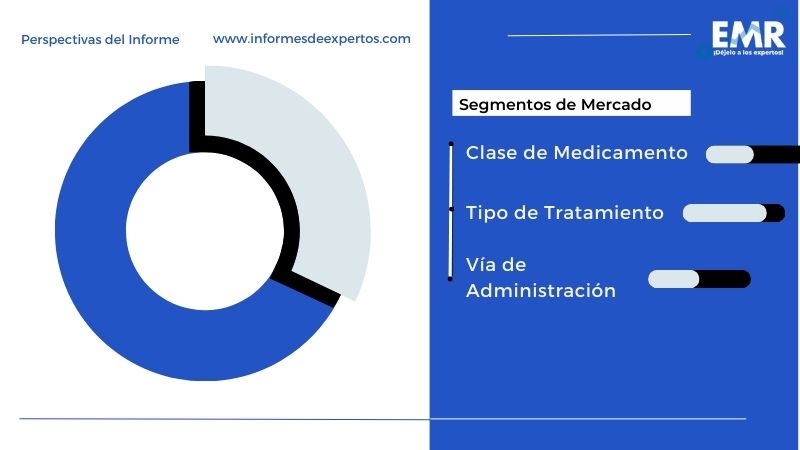 Por clase de medicamento, el mercado se divide en:
- Inhibidor de la C1-Esterasa
- Antagonista del Receptor B2 de la Bradicinina
- Inhibidor de la Calicreína
- Otros
Según los tipos de tratamiento, la industria puede clasificarse en general en:
- Tratamiento de Profilaxis
- Tratamiento a la Demanda
La vía de administración en el mercado incluye:
- Intravenosa
- Subcutánea
- Oral
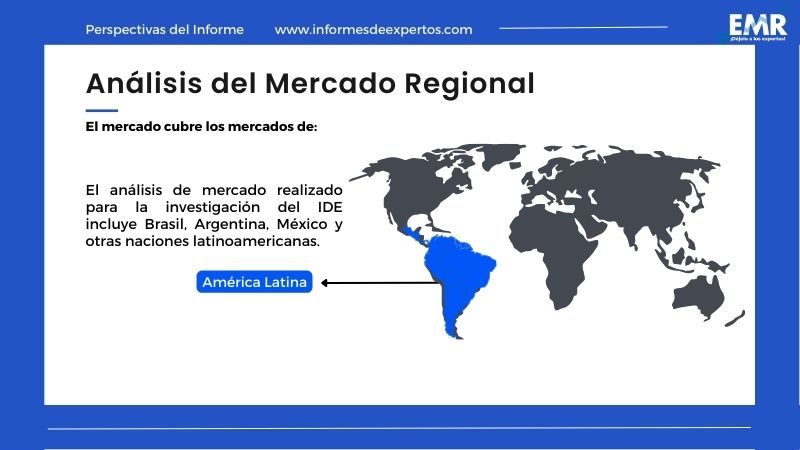
El análisis de mercado realizado para la investigación del IDE incluye Brasil, Argentina, México y otras naciones latinoamericanas.
Rising Awareness and Prevalence to Propel the Latin America Hereditary Angioedema Therapeutic Market
One of the main causes of misdiagnosis, which then results in patients receiving subpar care, is a lack of knowledge regarding HAE. The majority of hereditary angioedema patients receive incorrect diagnoses for appendicitis, gastrointestinal problems, and other non-allergic angioedema. A sizable patient population with significant medical demands has been created because of a significant number of people having their ailments wrongly diagnosed. This is probably going to be a major market-increasing component.
Another aspect fueling the market’s expansion is the increase in activities aimed at raising public awareness. Pharmaceutical companies are putting more of their attention into creating novel therapies for hereditary angioedema in order to meet the enormous unmet medical demand. Additionally, the regulatory body’s decision to give an orphan drug status to some medicines and pharmaceutical firms that are developing treatments for the sustained expression of the C1 esterase inhibitor protein utilised in HAE treatment is a favourable development.
Key Players of the Hereditary Angioedema Therapeutic Industry
The report has provided information on the competitive panorama demonstrated by the existing and emerging industry players in the market.
Some of the key global players include BioCryst Pharmaceuticals, Inc., Takeda Pharmaceutical Company Limited, CSL Limited, Ionis Pharmaceuticals, Inc., BioMarin, and others.
This Informes de Expertos (IDE) report analyses the Latin America Hereditary Angioedema Therapeutic market by outlining the main specifics of the important driving forces, present trends, and anticipated future developments. The report examines the firm overview, product portfolio, and demographic reach to discuss the potential and problems presented by the new entrants. The study also includes a SWOT analysis, a competitive landscape analysis, a detailed assessment based on Porter’s five forces model, and a value chain analysis.
Report Coverage:
- The report offers a profound perspective of the hereditary angioedema therapeutic market affirming the trends in the historical (2018-2023) and forecasted (2024-2032) periods.
- The market is interpreted by the segments such as drug class, treatment types, route of administration, and key regions during the periods of 2018-2023 and 2024-2032.
- The study analyses the challenges and opportunities conferred by emerging market players in order to manifest growth and development.
- On the basis of based on Porter’s Five Forces Model and SWOT analysis, the report delves into key indicators of price and demand and the powers of suppliers and buyers.
Market Scope
| Report Features | Details |
| Base Year for Estimation | 2023 |
| Historical Data | 2018-2023 |
| Forecast Data | 2024-2032 |
| Scope of the Report | Historical and Forecast Market Trends, Industry Drivers and Constraints, Historical and Forecast Market Analysis by the Following Segments:
|
| Breakup by Drug Class |
|
| Breakup by Treatment Type |
|
| Breakup by Route of Administration |
|
| Breakup by Region |
|
| Market Dynamics |
|
| Competitive Landscape |
|
| Companies Covered |
|
*En Informes de Expertos siempre nos esforzamos por brindarle la información más reciente. Los números de artículo son solo indicativos y pueden diferir del informe real.
Intravenosa, subcutánea y oral son las vías de administración más importantes del producto en el sector.


